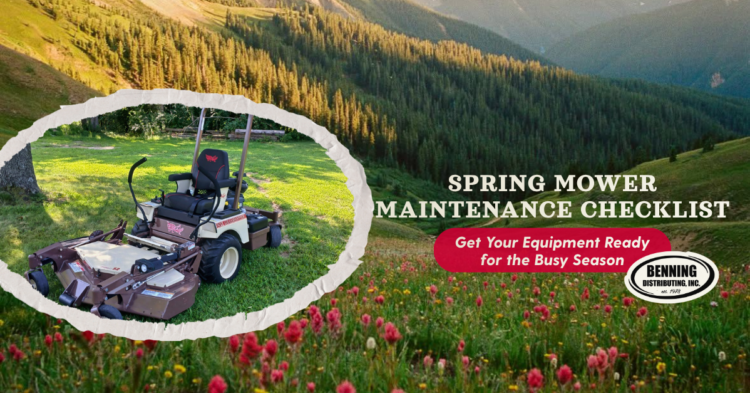
Spring Mower Maintenance Checklist: Get Your Equipment Ready for the Busy Season
As spring arrives in Central & Southern Illinois, the landscape changes fast. Grass starts growing aggressively, moisture levels increase, and demand for landscaping services skyrockets almost overnight.
For commercial landscapers, this means one thing: your equipment needs to be ready before the workload hits. Because here’s the reality: you don’t lose jobs because of competition… you lose them because of downtime.
A mower that breaks down during peak season doesn’t just cost you repair money. It can mean:
- Missed appointments
- Unhappy clients
- Lost contracts
- Reduced revenue
That’s why having a proper spring mower maintenance checklist is essential. In this guide, we’ll walk through everything you need to do to prepare your equipment for the busy season, while also helping you understand when it’s time to bring in professional support.
Why Spring Maintenance Matters More in Central & Southern Illinois
Central & Southern Illinois presents unique challenges for commercial mowing:
- Heavy spring growth due to rainfall and humidity
- Dense grass types that put more strain on equipment
- Long mowing seasons with minimal downtime between jobs
- Mixed terrain, from flat properties to uneven rural landscapes
This combination means your mower will be working harder, longer, and more frequently than in many other regions. Skipping pre-season maintenance isn’t just risky, it’s a guarantee that problems will show up when you can least afford them.

The Complete Pre-Season Inspection Checklist
Before you even start your first job of the season, your mower should go through a full inspection.
Here’s a comprehensive checklist to follow:
1. Visual Inspection
Start with a full walkaround:
- Check for loose bolts or damaged components
- Look for cracks in the frame or deck
- Inspect hoses and wiring for wear
Small issues here can turn into major breakdowns later.
2. Battery and Electrical System
After winter storage, batteries often lose charge or degrade.
Make sure to:
- Test battery voltage
- Clean terminals
- Check wiring connections
A weak battery can cause starting issues that slow your crew down right from the start of the day.
3. Air Filter Check
Air filters play a critical role in engine performance.
- Clean or replace dirty filters
- Ensure proper airflow
A clogged air filter reduces efficiency and can increase fuel consumption.
4. Spark Plugs
Spark plugs should be:
- Inspected for wear
- Cleaned or replaced if necessary
Worn spark plugs can cause poor engine performance and starting issues.
Blade Sharpening and Replacement
Your blades directly impact the quality of your work.
Why Sharp Blades Matter
- Cleaner cuts improve lawn health
- Reduced strain on the engine
- Better overall appearance for clients
Dull blades tear grass instead of cutting it, which can lead to:
- Brown tips
- Increased disease risk
- Poor client satisfaction
What to Do Before Spring
- Remove and sharpen blades
- Replace blades if they are worn or bent
- Ensure proper balancing
If your crews are handling multiple properties daily, you may need to sharpen blades multiple times throughout the season.

Oil, Filters, and Fluids
One of the most critical steps in any spring lawn mower maintenance routine is fluid replacement.
Engine Oil
- Change oil before the season starts
- Use manufacturer-recommended oil types
- Monitor oil levels regularly
Dirty oil leads to:
- Increased engine wear
- Reduced performance
- Potential engine failure
Fuel System
- Drain old fuel if it’s been sitting
- Replace with fresh fuel
- Consider fuel stabilizers
Hydraulic Fluid (for commercial mowers)
- Check levels and condition
- Replace if necessary
Hydraulic systems are essential for performance, neglecting them can lead to costly repairs.
Tire Pressure and Belt Checks
These are often overlooked, but extremely important.
Tire Pressure
- Check and adjust to manufacturer specifications
- Ensure even pressure across all tires
Uneven tire pressure can cause:
- Poor cut quality
- Uneven mowing
- Increased wear on components
Belts
- Inspect for cracks, fraying, or looseness
- Replace worn belts immediately
A broken belt during a job can completely shut down your operation for the day.
Common Issues That Cause Downtime
Understanding what typically goes wrong can help you prevent it.
1. Overheating Engines
Caused by:
- Dirty air filters
- Low oil levels
- Poor airflow
2. Dull or Damaged Blades
Leads to:
- Poor cut quality
- Increased strain on the mower
3. Worn Belts
Can result in:
- Sudden breakdowns
- Loss of cutting ability
4. Fuel System Problems
Old or contaminated fuel can cause:
- Starting issues
- Engine stalling
5. Neglected Maintenance
Skipping routine checks is the fastest way to guarantee downtime during peak season.
When to Bring Your Mower in for Professional Service
While many maintenance tasks can be handled in-house, there are times when professional service is the smarter move.
Consider Professional Service If:
- Your mower hasn’t been serviced in over a year
- You notice unusual noises or vibrations
- Performance has decreased
- You want a full pre-season inspection
Working with a trusted local dealer like Benning Distributing ensures your equipment is properly prepared for heavy use.
Professional servicing can include:
- Full system diagnostics
- Advanced repairs
- Genuine parts replacement
- Expert recommendations
This can prevent small issues from turning into major failures during your busiest weeks.
Why Parts Quality Matters
Not all replacement parts are created equal.
Using low-quality parts can lead to:
- Faster wear and tear
- Reduced performance
- Increased long-term costs
That’s why many contractors rely on trusted providers like Benning Distributing for:
- Genuine parts
- Reliable compatibility
- Long-lasting performance
Building a Maintenance Routine for the Entire Season
Spring preparation is just the beginning.
To stay ahead of breakdowns, create a weekly maintenance routine:
- Check oil levels
- Inspect blades
- Clean debris from the deck
- Monitor tire pressure
- Look for early signs of wear
Consistency is key. Small, regular checks can prevent major issues later.
Central & Southern Illinois Workload: Be Prepared for Peak Demand
Spring in Central & Southern Illinois doesn’t ease you into the season, it hits fast.
Landscapers often go from minimal work to:
- Full schedules
- Daily routes
- High client expectations
If your equipment isn’t ready, you’ll feel it immediately.
The contractors who succeed during peak season are the ones who:
- Prepare early
- Maintain consistently
- Invest in reliable equipment and support
Final Thoughts: Don’t Let Equipment Failure Cost You Jobs
Your mower is one of the most important investments in your business. Taking the time to complete a full mower maintenance checklist before the season starts can mean the difference between:
- A smooth, profitable season
- Constant repairs and lost revenue
If you’re unsure whether your equipment is fully ready, it’s always better to be proactive.
Get Your Equipment Ready Today
Don’t wait until your mower breaks down in the middle of a job. Schedule service, explore parts, or get expert guidance from Benning Distributing to make sure your equipment is fully prepared for the season. For additional mower maintenance best practices, you can also review guidelines from Outdoor Power Equipment Institute.