
John Deere 900 Series (965) vs Grasshopper 700 Series FrontMount: Which Mower Delivers More for the Same Price?
When you are investing in a high-performance commercial mower, the decision goes far beyond brand recognition. It becomes a question of efficiency, durability, and how well the machine actually supports your day-to-day work over time. This is especially true for contractors, municipalities, and property managers who rely on their equipment every single day. One of the most common comparisons at the higher end of the market is between the John Deere 900 Series, specifically the 965 model, and the Grasshopper 700 Series FrontMount. These machines are often viewed as direct competitors, particularly because they sit in a similar pricing range. But when two machines are priced the same or nearly the same, the real question becomes much more important: which one actually delivers more value? This guide breaks that down in a clear, practical way so you can understand what matters most and why the Grasshopper 700 Series FrontMount stands out as the smarter investment.Understanding the John Deere 900 Series (965 Model)
The John Deere 900 Series, including the 965 model, is positioned as a premium commercial mower designed for large-scale operations. It is built to handle demanding environments and is often used by professionals who require consistent performance over long hours. There is no doubt that the 965 is a capable machine. It offers strong engine performance and is built with durability in mind. However, its design follows a more traditional zero-turn layout, which comes with certain limitations, especially when it comes to maneuverability, visibility, and versatility. While it performs well in open spaces, its effectiveness can be reduced in areas that require precision or frequent adjustments around obstacles. This is where the difference between a traditional zero-turn and a FrontMount design becomes much more noticeable.A Closer Look at the Grasshopper 700 Series FrontMount
The Grasshopper 700 Series FrontMount takes a completely different approach to commercial mowing. Instead of following a standard zero-turn design, it is engineered to provide maximum visibility, reach, and control, all of which directly impact productivity in real-world conditions. The FrontMount design places the cutting deck in front of the operator, which immediately improves visibility and allows you to mow under obstacles, along edges, and around tight spaces with much greater precision. This is not just a design difference, it is a functional advantage that changes how efficiently you can complete a job. What makes this comparison even more important is the pricing. The Grasshopper 700 Series is often priced the same or even lower than the John Deere 965, which means you are not paying extra for this added capability, you are getting more for the same investment.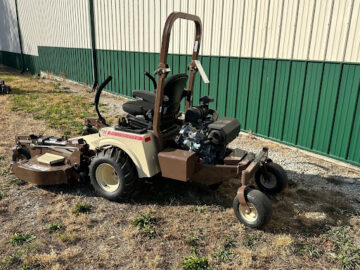
The FrontMount Advantage: Where the Real Difference Begins
The biggest difference between these two machines is not horsepower or engine specs, it is how they perform in real working conditions. The John Deere 965 follows a traditional mid-mounted deck design. While this works well in open areas, it limits your ability to reach under trees, fences, and other obstacles without repositioning the entire machine. The Grasshopper 700 Series FrontMount eliminates that limitation. Because the deck is positioned in front, you can mow directly into areas that would otherwise require trimming or multiple passes. This reduces the need for additional equipment and significantly improves efficiency. Over time, this difference adds up. Fewer passes mean less fuel, less wear on the machine, and more jobs completed in less time.Efficiency in Daily Operations
In real-world mowing, efficiency is everything. It is not just about how fast a mower can go, it is about how effectively it can handle different conditions without slowing you down. The John Deere 965 performs well in straightforward scenarios, but it often requires more adjustments when dealing with obstacles, uneven terrain, or tight spaces. This can interrupt workflow and reduce overall productivity. The Grasshopper 700 Series is designed to minimize those interruptions. Its layout allows for smoother transitions between different types of terrain, and its precision reduces the need for follow-up work. Operators can move through jobs more efficiently, which directly impacts time management and profitability. For businesses managing multiple properties or tight schedules, this level of efficiency becomes a major advantage.Durability and Long-Term Performance
Both machines are built for durability, but the way they deliver long-term performance differs. The John Deere 965 is constructed to handle heavy workloads, but its design can make certain maintenance tasks more involved. Over time, this can lead to increased downtime, especially during peak seasons when equipment needs to be running consistently. The Grasshopper 700 Series is designed with serviceability in mind. Key components are easier to access, which simplifies routine maintenance and reduces the time required for repairs. This helps keep the machine running smoothly and minimizes disruptions to your workflow. If you need parts or service support, Benning provides direct access here Over the lifespan of the machine, this difference in maintenance and accessibility can significantly impact overall performance and reliability.Versatility Beyond Mowing
Another area where the Grasshopper 700 Series stands out is versatility. While the John Deere 965 is primarily focused on mowing, the Grasshopper FrontMount system is designed to support a wider range of attachments and applications. This allows the machine to be used for more than just cutting grass, which increases its overall value. For operators who need flexibility (whether for seasonal work or different types of properties) this versatility becomes a key factor. Instead of investing in multiple machines, you can rely on one system to handle multiple tasks.Cost vs Value: The Deciding Factor
Since these two machines are priced similarly, the comparison ultimately comes down to value. With the John Deere 965, you are paying for a strong, well-known brand and a capable machine. However, the design limitations and potential inefficiencies can reduce its overall return on investment. With the Grasshopper 700 Series FrontMount, you are getting:- Better visibility and control
- Increased efficiency in complex environments
- Easier maintenance and reduced downtime
- Greater versatility for different applications
What the Industry Emphasizes
Industry insights consistently highlight that equipment decisions should be based on total performance and efficiency, not just brand recognition. When you evaluate both the John Deere 965 and the Grasshopper 700 Series through this lens, the Grasshopper clearly aligns better with what operators actually need in the field.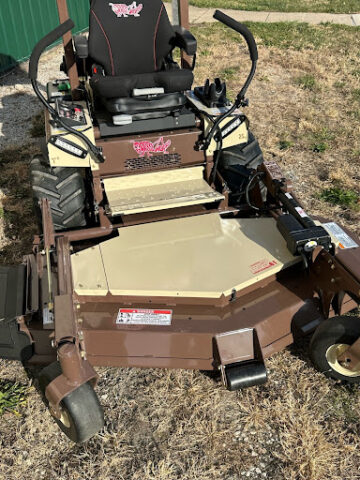
Final Thoughts: Choosing the Better Machine
The John Deere 900 Series, including the 965 model, is a capable commercial mower. However, when compared directly to the Grasshopper 700 Series FrontMount at a similar price point, it becomes difficult to justify choosing the more limited design. The Grasshopper 700 Series offers a more advanced and practical solution. It is built to handle real-world conditions more efficiently, reduce workload, and deliver consistent results across a wide range of applications. For most buyers, this translates into better performance, lower operational costs, and a stronger return on investment over time.Why the Grasshopper 700 Series FrontMount Stands Out
At the end of the day, the Grasshopper 700 Series FrontMount stands out because it focuses on what truly matters. It is not just about cutting grass, it is about doing the job better, faster, and more efficiently. It delivers:- Superior visibility and reach
- Increased efficiency in complex environments
- Easier maintenance and long-term reliability
- Greater versatility for different tasks