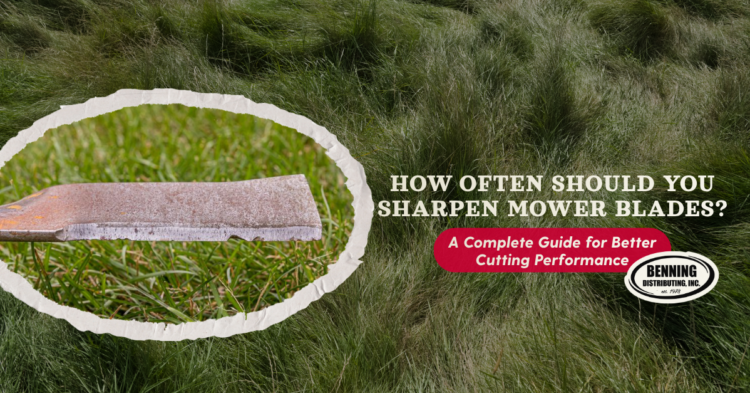
How Often Should You Sharpen Mower Blades? A Complete Guide for Better Cutting Performance
When peak mowing season hits in Central & Southern Illinois, your equipment is pushed to its limits. Grass grows faster, schedules get tighter, and expectations from clients are higher than ever. But there’s one small detail that can make or break your performance: Your mower blades. If you’ve ever noticed uneven cuts, brown grass tips, or reduced mowing efficiency, there’s a good chance your blades are dull. And during peak season, dull blades don’t just affect quality, they can cost you:
- Time
- Clients
- Money
So the question is: How often should you sharpen mower blades?
The answer depends on how you use your equipment, but one thing is certain, proper blade maintenance is critical for both performance and profitability.
In this guide, we’ll break down everything you need to know about mower blade sharpening frequency, signs of wear, and when it’s time to replace or service your blades.
Why Blade Sharpness Matters More Than You Think
Before we get into frequency, it’s important to understand why blade maintenance matters so much.
Sharp blades:
- Cut grass cleanly
- Promote healthier lawns
- Reduce strain on your mower
- Improve overall efficiency
Dull blades, on the other hand:
- Tear grass instead of cutting it
- Leave brown, jagged edges
- Increase disease risk
- Force your mower to work harder
For commercial landscapers in Central & Southern Illinois (where grass grows fast and dense in spring and summer) this difference becomes even more noticeable.
How Often Should You Sharpen Mower Blades?
Let’s break it down in the most practical way possible.
General Rule (Hours-Based)
For most commercial use:
- Every 20-25 hours of mowing time
For lighter, residential use:
- Every 25-40 hours
However, this is just a baseline.
Real-World Usage Matters More
In Central & Southern Illinois, conditions can accelerate blade wear due to:
- Thick, fast-growing grass
- Moist soil conditions
- Debris like sticks, rocks, and uneven terrain
For commercial crews mowing daily, this often means:
- Sharpening blades weekly
- Sometimes even more frequently during peak growth periods
If you’re unsure about your blade condition or need replacements, working with a trusted provider like Benning Distributing ensures you’re using the right parts for your equipment.

Signs Your Mower Blades Need Sharpening
You don’t always need to track hours, your lawn will tell you when something’s wrong.
1. Grass Looks Torn Instead of Cut
Instead of a clean cut, the grass appears frayed or shredded.
2. Brown or White Tips on Grass
This is one of the most obvious signs. Damaged grass tips lose moisture and discolor quickly.
3. Uneven Cutting Results
Missed spots or inconsistent cutting height can indicate dull or damaged blades.
4. Increased Vibration
Bent or worn blades can cause noticeable vibration while mowing.
5. Reduced Efficiency
If it takes longer to complete jobs, your blades may not be cutting effectively.
The Impact of Dull Blades on Lawn Health and Performance
Many people underestimate how much dull blades affect overall results.
Lawn Health
Dull blades:
- Tear grass instead of slicing it
- Create openings for disease
- Lead to weaker, less resilient lawns
For commercial clients, this can lead to:
- Complaints
- Reduced satisfaction
- Lost contracts
Equipment Performance
Dull blades force your mower to:
- Work harder
- Use more fuel
- Experience more wear and tear
Over time, this increases maintenance costs and reduces equipment lifespan.
Residential vs Commercial Blade Sharpening Frequency
Not all mowing is equal.
Residential Use
For homeowners:
- Less frequent mowing
- Smaller areas
- Less wear
Sharpening every 25-40 hours is usually sufficient.
Commercial Use
For professional landscapers:
- Daily operation
- Larger properties
- Tougher conditions
Sharpening every 20-25 hours (or weekly) is often necessary.
This is especially true in Central & Southern Illinois, where peak season can push equipment to its limits.
When to Replace Instead of Sharpen
Sharpening isn’t always enough.
Replace Your Blades If:
- They are bent
- There are visible cracks
- The metal is too worn down
- The blade has been sharpened too many times
Using damaged blades can:
- Reduce performance
- Increase safety risks
- Damage your mower
The Importance of Professional Service and Quality Parts
While many operators sharpen blades themselves, there are clear benefits to professional service.
Why Professional Service Matters
- Proper balancing (critical for performance)
- Accurate sharpening angles
- Inspection for hidden damage
Improper sharpening can:
- Shorten blade lifespan
- Cause uneven cuts
- Increase wear on your mower
Why Quality Parts Matter
Using low-quality blades can lead to:
- Faster dulling
- Poor cutting performance
- Increased long-term costs
That’s why many commercial crews rely on providers like Benning Distributing for:
- High-quality replacement blades
- Reliable compatibility
- Expert recommendations
How Proper Blade Maintenance Improves Efficiency
Sharpening your blades regularly isn’t just about quality, it’s about performance.
Benefits Include:
- Faster job completion
- Cleaner, more consistent cuts
- Reduced fuel consumption
- Less strain on equipment
- Higher client satisfaction
For commercial businesses, this translates directly into:
- More jobs per day
- Better retention
- Increased revenue
Central & Southern Illinois Conditions: Why Blade Wear Happens Faster
Landscaping in Central & Southern Illinois creates unique challenges:
- Rapid grass growth in spring
- Moist soil conditions
- Dense turf
- Mixed terrain
All of these factors increase blade wear.
That’s why local contractors often sharpen blades more frequently than the national average.
Building a Blade Maintenance Routine
The best approach is consistency.
Weekly Checklist for Commercial Crews:
- Inspect blades for wear
- Check for damage or bending
- Clean debris from the deck
- Rotate or sharpen blades as needed
Having a routine prevents:
- Unexpected issues
- Poor performance
- Last-minute repairs
Final Thoughts: Don’t Let Dull Blades Cost You Work
Blade maintenance might seem like a small detail, but it has a massive impact on your business.
During peak season, dull blades can lead to:
- Slower jobs
- Poor results
- Lost clients
Staying on top of sharpening ensures:
- Better performance
- Healthier lawns
- More efficient operations
Stay Ahead This Season
The best time to sharpen or replace your blades is before performance drops. Get high-quality parts, schedule service, or get expert support through Benning Distributing to keep your equipment running at its best. For additional best practices on lawn equipment maintenance, visit the Outdoor Power Equipment Institute.