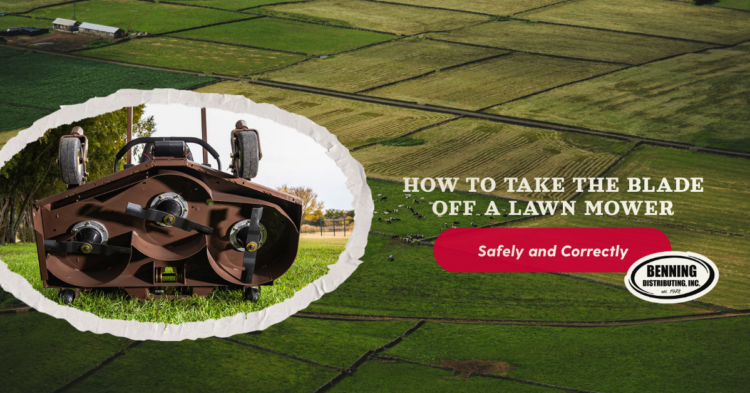
How to Take the Blade Off a Lawn Mower Safely and Correctly
As spring mowing season begins in Southern Illinois, homeowners and commercial crews are preparing their equipment for months of heavy use. Grass grows fast during spring and summer, which means mower blades experience constant wear from:
- Thick grass
- Uneven terrain
- Sticks and debris
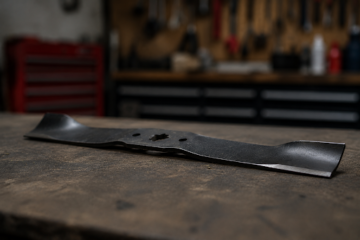
- Frequent mowing schedules
One of the most important maintenance tasks before peak season is learning how to take the blade off of a lawn mower safely and correctly.
Whether you’re sharpening blades, replacing damaged ones, or performing routine maintenance, proper lawn mower blade removal is essential for:
- Cleaner cuts
- Better mower performance
- Reduced downtime
- Longer equipment lifespan
In this guide, we’ll walk through the tools you need, the safest removal process, and common mistakes to avoid.
Why Lawn Mower Blade Maintenance Matters
Many people underestimate how much blade condition affects mowing quality.
Sharp, balanced blades:
- Cut grass cleanly
- Reduce strain on the engine
- Improve overall lawn health
Dull or damaged blades can:
- Tear grass instead of cutting it
- Leave brown tips on lawns
- Increase fuel consumption
- Cause excessive mower vibration
In Southern Illinois, where spring growth is aggressive, blade wear happens faster than many homeowners expect. That’s why regular inspection and maintenance are critical.
Tools Needed for Lawn Mower Blade Removal
Before starting, gather the proper tools.
Recommended Tools:
- Socket wrench or breaker bar
- Work gloves
- Safety glasses
- Blade removal block or wood block
- Penetrating oil (if bolts are stuck)
- Torque wrench (recommended for reinstalling)
Having the right tools makes the process safer and helps prevent damage to the mower. If you need replacement blades or maintenance support, you can explore options through Benning Distributing.
Safety Precautions Before Starting
Safety should always come first when performing mower maintenance.
Before Removing the Blade:
- Turn the mower off completely
- Remove the ignition key
- Disconnect the spark plug wire
- Allow the engine to cool
- Wear gloves to protect your hands
For zero-turn or riding mowers:
- Park on a flat, stable surface
- Engage the parking brake
These steps help prevent accidental startup and reduce injury risk. For additional mower safety guidance, homeowners can also review recommendations from Outdoor Power Equipment Institute.
Step-by-Step: How to Take the Blade Off a Lawn Mower
Now let’s walk through the actual blade removal process.
Step 1: Access the Blade
Depending on the mower type:
- Tilt the mower carefully
- Or raise the deck if working on a riding mower
Important: If tilting a walk-behind mower, tilt it with the air filter facing upward to help prevent fuel leakage.
Step 2: Secure the Blade
Place a wood block or blade stop between the blade and deck housing.
This prevents the blade from spinning while loosening the bolt.
Step 3: Loosen the Blade Bolt
Using a socket wrench:
- Turn the bolt counterclockwise (most models)
- Apply steady pressure
If the bolt is difficult to remove:
- Use penetrating oil
- Allow it to sit for several minutes
Commercial mowers used heavily during Southern Illinois mowing season may have tighter or more worn hardware due to repeated use.
Step 4: Remove the Blade Carefully
Once the bolt is removed:
- Slide the blade off carefully
- Keep track of washers or mounting hardware
Pay attention to blade orientation so reinstalling is easier later.
Step 5: Inspect the Blade
Before reinstalling or sharpening, inspect for:
- Cracks
- Excessive wear
- Bending
- Uneven edges
If serious damage is present, replacement is usually safer than sharpening.
Common Mistakes to Avoid
Many homeowners and operators make simple mistakes during blade removal.
1. Forgetting to Disconnect the Spark Plug
This creates a serious safety risk.
2. Installing the Blade Backward
Incorrect installation affects cutting performance and can damage the mower.
3. Ignoring Blade Balance
An unbalanced blade causes:
- Vibration
- Uneven cuts
- Increased wear on the mower
4. Overtightening or Undertightening the Bolt
Improper torque can lead to:
- Loose blades
- Damaged hardware
5. Sharpening Damaged Blades
Cracked or severely worn blades should be replaced, not reused.
When Should You Replace Instead of Sharpen?
Not every blade can or should be sharpened.
Replace the Blade If:
- There are visible cracks
- The blade is bent
- Metal has worn down significantly
- The blade has been sharpened many times already
Using damaged blades increases:
- Safety risks
- Poor cutting quality
- Equipment wear
High-quality replacement blades can significantly improve performance and longevity.
Why Proper Installation and Balancing Matter
Removing the blade is only half the process.
Proper reinstalling ensures:
- Smooth mower operation
- Cleaner cuts
- Reduced vibration
Important Tips:
- Install the blade in the correct orientation
- Tighten bolts to manufacturer specifications
- Ensure the blade is properly balanced
Poor installation can lead to:
- Uneven mowing
- Excessive wear on spindle components
- Reduced mower lifespan
Professional Service vs DIY Maintenance
Basic blade maintenance is manageable for many homeowners, but professional service can still provide major advantages.
Professional mower service helps ensure:
- Correct blade balancing
- Proper torque specifications
- Full equipment inspection
Working with trusted providers like Benning Distributing can help prevent larger issues before peak season begins.
Final Thoughts
Learning how to perform lawn mower blade removal properly is one of the most valuable maintenance skills for both homeowners and commercial operators.
Routine blade maintenance helps:
- Improve cut quality
- Reduce downtime
- Protect your mower
- Keep lawns healthier throughout the season
As mowing demand increases across Southern Illinois, staying ahead of maintenance becomes even more important.
Get Ready for Peak Season
Before the heavy mowing season arrives, make sure your equipment is fully prepared. Contact Benning Distributing for replacement blades, mower service, and maintenance support to keep your equipment running efficiently all season long.