

What Type of Oil Should You Put in a Lawn Mower? A Complete Maintenance Guide
One of the most common maintenance questions homeowners and commercial operators ask is: What type of oil should you put in a lawn mower?
It may seem like a small detail, but using the wrong oil can negatively impact engine performance, increase wear, and potentially shorten the lifespan of your equipment. On the other hand, choosing the correct oil helps protect internal components, improve efficiency, and keep your mower running smoothly throughout the season.
Whether you’re maintaining a residential lawn or operating commercial mowing equipment throughout Illinois, understanding lawn mower oil requirements is an important part of protecting your investment.
The good news is that choosing the right oil becomes much easier once you understand the basics.
Why Lawn Mower Oil Matters
Engine oil serves several critical functions inside a lawn mower engine.
It helps:
- Lubricate moving parts
- Reduce friction
- Prevent overheating
- Protect against wear
- Remove contaminants
- Extend engine lifespan
Without proper lubrication, internal engine components can wear prematurely, leading to expensive repairs or even complete engine failure.
Considering the investment many owners make in commercial-grade equipment, proper oil selection is one of the easiest ways to maximize long-term value.
Common Lawn Mower Oil Types
Several types of oil are commonly used in lawn mower engines.
The correct choice depends on:
- Engine manufacturer recommendations
- Operating temperatures
- Seasonal conditions
- Equipment usage
SAE 30
SAE 30 is one of the most commonly recommended oils for lawn mower engines operating in warmer temperatures.
It performs well during typical mowing conditions and remains a popular choice for many small-engine applications.
10W-30
10W-30 provides greater temperature flexibility and performs well across a broader range of conditions.
Many operators prefer it because it offers easier starting in cooler temperatures while still providing strong protection during warmer months.
Synthetic 5W-30
Synthetic 5W-30 offers excellent performance across varying weather conditions.
It provides:
- Improved cold-weather starting
- Better engine protection
- Enhanced wear resistance
- Longer-lasting performance
This makes it particularly attractive for commercial operators who accumulate significant engine hours throughout the year.
Conventional Oil vs Synthetic Oil
One of the most common maintenance debates involves conventional versus synthetic oil.
Conventional Oil
Conventional oil has been used successfully in lawn mower engines for decades.
Benefits include:
- Lower upfront cost
- Widely available
- Suitable for many standard mowing applications
For homeowners who mow occasionally, conventional oil often provides adequate protection when changed regularly.

Synthetic Oil
Synthetic oil offers several advantages, especially for commercial operators and high-hour equipment.
Benefits include:
- Better lubrication under extreme temperatures
- Improved engine cleanliness
- Enhanced wear protection
- Longer-lasting performance
While synthetic oil generally costs more upfront, many owners find the added protection worthwhile, particularly for expensive commercial equipment.
Seasonal Oil Recommendations for Illinois
Illinois experiences significant seasonal temperature swings, making oil selection especially important.
Spring
Cool mornings and fluctuating temperatures often favor multi-viscosity oils like 10W-30 or synthetic 5W-30.
These oils provide easier starts while still protecting the engine during warmer afternoon temperatures.
Summer
Hot Illinois summers place additional demands on mower engines.
Many operators continue using:
- SAE 30
- 10W-30
- Synthetic 5W-30
provided they follow manufacturer recommendations.
Fall
As temperatures begin to cool, multi-viscosity oils often become increasingly beneficial due to improved cold-start performance.
The key is always consulting your owner’s manual before making changes.
How Often Should You Change Lawn Mower Oil?
Even the best oil loses effectiveness over time.
For most equipment, oil should be changed:
- After the initial break-in period (if recommended)
- At least once per season
- Every 50-100 operating hours, depending on usage
Commercial operators who accumulate significant engine hours may need more frequent oil changes. Regular oil changes help remove contaminants and maintain proper engine protection throughout the mowing season.
Manufacturer Recommendations Matter
One of the biggest mistakes mower owners make is assuming all engines use the same oil.
Different manufacturers often specify:
- Oil viscosity
- Oil type
- Service intervals
Always consult your owner’s manual before selecting oil.
Following manufacturer recommendations helps:
- Maintain warranty compliance
- Improve performance
- Maximize engine longevity
This is particularly important for premium equipment where replacement costs can be significant.
Common Lawn Mower Oil Mistakes
Many engine problems stem from simple maintenance errors.
Using the Wrong Oil Grade
Choosing an incorrect viscosity can affect lubrication and engine performance.
Overfilling the Crankcase
Too much oil can create excessive pressure and lead to engine damage.
Neglecting Oil Changes
Even high-quality oil eventually breaks down and loses effectiveness.
Mixing Oil Types Improperly
While some oils are compatible, randomly mixing products without guidance is generally not recommended.
Ignoring Manufacturer Guidelines
Manufacturer recommendations exist for a reason. Following them remains the safest approach.
Protecting Your Investment Through Proper Maintenance
Oil selection is only one part of maintaining a healthy mower engine.
A complete maintenance program should also include:
- Air filter replacement
- Blade maintenance
- Fuel system care
- Belt inspections
- Hydraulic system service
Proper maintenance not only extends equipment lifespan but also improves reliability throughout demanding mowing seasons.
For maintenance assistance, replacement parts, or service support, please work directly with your local Grasshopper dealer. You can find the nearest dealer through the dealer locator here.
Why Oil Selection Matters More for Commercial Equipment
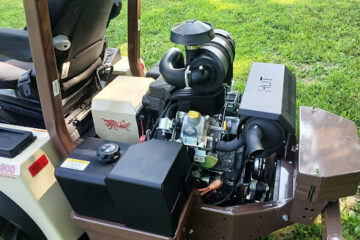
Commercial mowers often accumulate hundreds of operating hours every season. That level of use places significantly more stress on engine components compared to typical residential mowing.
Because of this, commercial operators often benefit from premium oils and stricter maintenance schedules.
According to engine maintenance guidance from Briggs & Stratton, proper oil selection and regular oil changes are among the most important factors influencing small-engine lifespan and reliability.
When paired with consistent maintenance, the right oil helps maximize equipment performance and reduce long-term ownership costs.
Final Thoughts
Choosing the right lawn mower oil is one of the simplest and most effective ways to protect your equipment investment.
Whether you operate a commercial Grasshopper mower or maintain a residential property throughout Illinois, using the proper oil helps improve performance, reduce wear, and extend engine life.
A small maintenance decision today can help prevent major repairs tomorrow.
When in doubt, consult your owner’s manual, follow manufacturer recommendations, and prioritize regular maintenance to keep your mower operating at its best season after season.