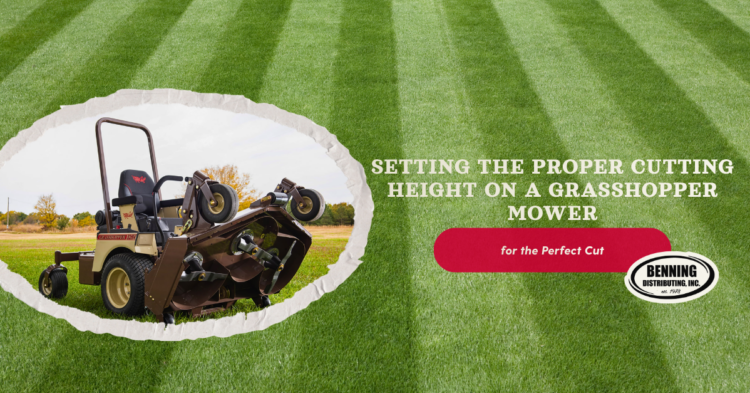
Setting the Proper Cutting Height on a Grasshopper Mower for the Perfect Cut
A beautiful lawn doesn’t happen by accident. Even the most powerful mower can leave disappointing results if the deck height isn’t adjusted correctly. Whether you’re maintaining a residential property, managing commercial grounds, or caring for acreage throughout Illinois, proper deck adjustment plays a major role in lawn health and appearance.
Many Grasshopper owners ask the same question: How do you set the proper cutting height on a Grasshopper mower?
The good news is that deck adjustments are relatively simple, and making the right changes can dramatically improve your mowing results. Understanding how deck height affects grass health, appearance, and mowing efficiency can help you get the most out of your Grasshopper mower all season long.
Why Cutting Height Matters
Cutting height determines how much grass is removed during each mowing pass. Cutting too low can stress your lawn, expose soil, and encourage weed growth. Cutting too high can leave an uneven appearance and reduce the clean, manicured look many property owners want.
For Illinois lawns, where warm-season and cool-season grasses often coexist, proper cutting height becomes even more important throughout changing weather conditions.
Maintaining the correct cutting height helps:
- Promote deeper root growth
- Improve drought resistance
- Reduce weed pressure
- Create a cleaner appearance
- Minimize turf stress
A properly adjusted mower deck is one of the easiest ways to improve overall lawn quality.
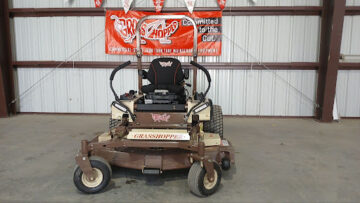
Step-by-Step: Setting the Proper Cutting Height on a Grasshopper Mower
The exact process may vary slightly depending on the model, but most Grasshopper mowers use a straightforward deck adjustment system.
Step 1: Park on a Level Surface
Always begin by parking the mower on flat, level ground. This ensures accurate measurements and safe adjustments.
Turn off the engine, remove the key, and engage the parking brake before making any changes.
Step 2: Locate the Height Adjustment System
Most Grasshopper models include a deck height adjustment mechanism that allows operators to raise or lower the cutting deck using designated adjustment points.
Consult your owner’s manual for model-specific instructions if needed.
Step 3: Set the Proper Cutting Height
Adjust the cutting height selector to the desired mowing position. Lower settings will result in a shorter cut, while higher settings leave more grass height.
Make small adjustments rather than drastic changes.
Step 4: Verify Deck Levelness
After adjusting the height, verify that the mower deck remains level from side to side.
An uneven deck can create inconsistent cutting results regardless of the selected height.
Step 5: Perform a Test Pass
Before mowing the entire property, make a short test pass and evaluate the results.
Check for:
- Even cutting
- Scalping
- Missed grass
- Uneven patterns
Make minor adjustments as needed.
Recommended Cutting Heights by Season
One of the most common cutting height mistakes is using the same height throughout the entire year.
Illinois experiences a wide range of weather conditions, which means grass growth patterns change significantly between spring, summer, and fall.
Spring
During periods of active growth, slightly lower mowing heights can help maintain a neat appearance.
Most lawns perform well around: 2.5 to 3 inches
Summer
Summer heat places additional stress on grass.
Increasing deck height slightly helps:
- Protect roots
- Improve moisture retention
- Reduce heat stress
Many Illinois lawns benefit from: 3 to 4 inches
Fall
As growth slows, maintaining moderate cutting heights helps prepare the lawn for winter dormancy.
Typical recommendations include: 2.5 to 3.5 inches
The ideal setting ultimately depends on grass type, weather conditions, and overall lawn health.
Common Cutting Height Mistakes
Many lawn issues can be traced back to improper deck settings.
Cutting Too Low
Scalping is one of the most common mistakes.
Cutting too low:
- Weakens grass
- Encourages weeds
- Creates brown patches
- Increases drought stress
Ignoring Deck Levelness
Even a properly adjusted deck can produce poor results if it is not level.
Always verify deck alignment after making adjustments.
Making Large Height Changes
Sudden changes can shock turf.
A good rule of thumb is to never remove more than one-third of the grass blade at a time.
Mowing During Extreme Conditions
Wet grass, excessive heat, or drought conditions may require temporary deck adjustments to protect lawn health.
How Improper Cutting Height Affects Lawn Performance
Many homeowners focus on mowing frequency but overlook deck height.
Improper settings can lead to:
- Uneven appearance
- Increased weed growth
- Poor root development
- Reduced drought resistance
- Additional stress on turf
Over time, these issues become increasingly noticeable and difficult to correct.
Fortunately, proper Grasshopper mower deck adjustment helps prevent most of these problems.
Maintenance Tips for Optimal Deck Performance
Cutting height is only one part of achieving a professional-quality cut. Regular maintenance also plays a major role. Key maintenance practices include:
Keep Blades Sharp
Sharp blades produce cleaner cuts and reduce turf damage.
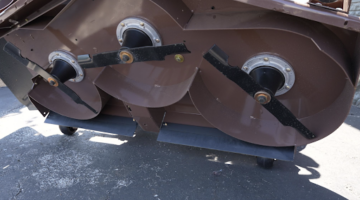
Clean the Underside of the Deck
Grass buildup can affect airflow and cutting performance.
Inspect Deck Components
Check belts, pulleys, and adjustment mechanisms regularly.
Verify Tire Pressure
Uneven tire pressure can affect deck levelness and cutting consistency.
Achieving a Professional-Looking Lawn in Illinois
Illinois lawns often face long growing seasons, summer heat, and varying moisture conditions. Maintaining proper deck height throughout the season helps protect turf while creating the clean, professional appearance property owners want.
A well-adjusted Grasshopper mower allows you to adapt to changing conditions and maintain consistent results regardless of property size.
According to turfgrass management guidance from the University of Illinois Extension, proper mowing height is one of the most important factors influencing lawn health and long-term appearance.
Combining proper mowing practices with a quality mower creates the foundation for healthier turf and better results throughout the year.
Find the Right Grasshopper Mower for Your Property
Whether you’re maintaining a residential lawn, commercial property, or acreage throughout Illinois, Grasshopper mowers provide the precision, durability, and adjustability needed for professional results.
Explore available Grasshopper mower options and connect with your local dealer for inventory, pricing, and support. You can find your nearest Grasshopper dealer through the dealer locator here. Setting the proper cutting height is just the beginning of achieving a healthier, better-looking lawn.